

CONNECT
EMAIL
back to top

Yizhuang Startup City

@ Skidmore Owings & Merrill
SITE:   Beijing, China
SCOPE:   2.5 square kilometers
COMPLETED:   2015
MY ROLE:   As the project designer on this project, I led a team of 4 that involved 1 urban designer, 1 architect, a traffic consultant, a real estate analyst. I conducted the preliminary feasibility study, design sprints, and workflows with all consultants.
Project Overview

The Yizhuang Startup City was a competition-winning proposal to transform 2.5 square kilometers of industrial land in southeast Beijing into a vibrant mixed-use area for R&D. Commissioned by the Beijing Planning Bureau, the project brief called for a bold masterplan that would attract Fortune 500 companies to set up headquarters in the new district.

After conducting preliminary market research, we discovered that companies are incentivized to expand where their best talent would want to live. This simple idea of leading with livability to attract corporate investment became the primary driver of the proposal. The challenge was how to satisfy the client's requirement for maximizing office floor area without discounting accommodations for mixed-uses that are essential to urban life.

The winning masterplan emphasizes transit-oriented development, walkable city blocks, and a variety of public amenities. At build-out in 2030, the new district will consist of 5.5 million square meters of office, residential, retail, hotels, and public spaces to transform Yizhuang Startup City into a world-class destination for company headquarters and their employees.
Project Snapshots:
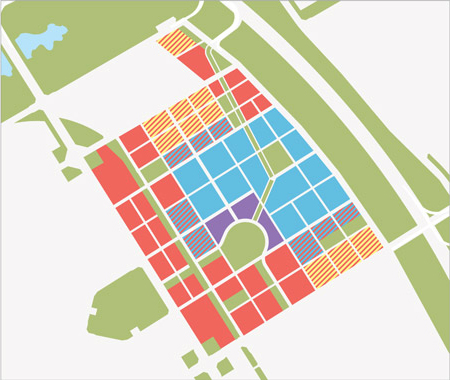
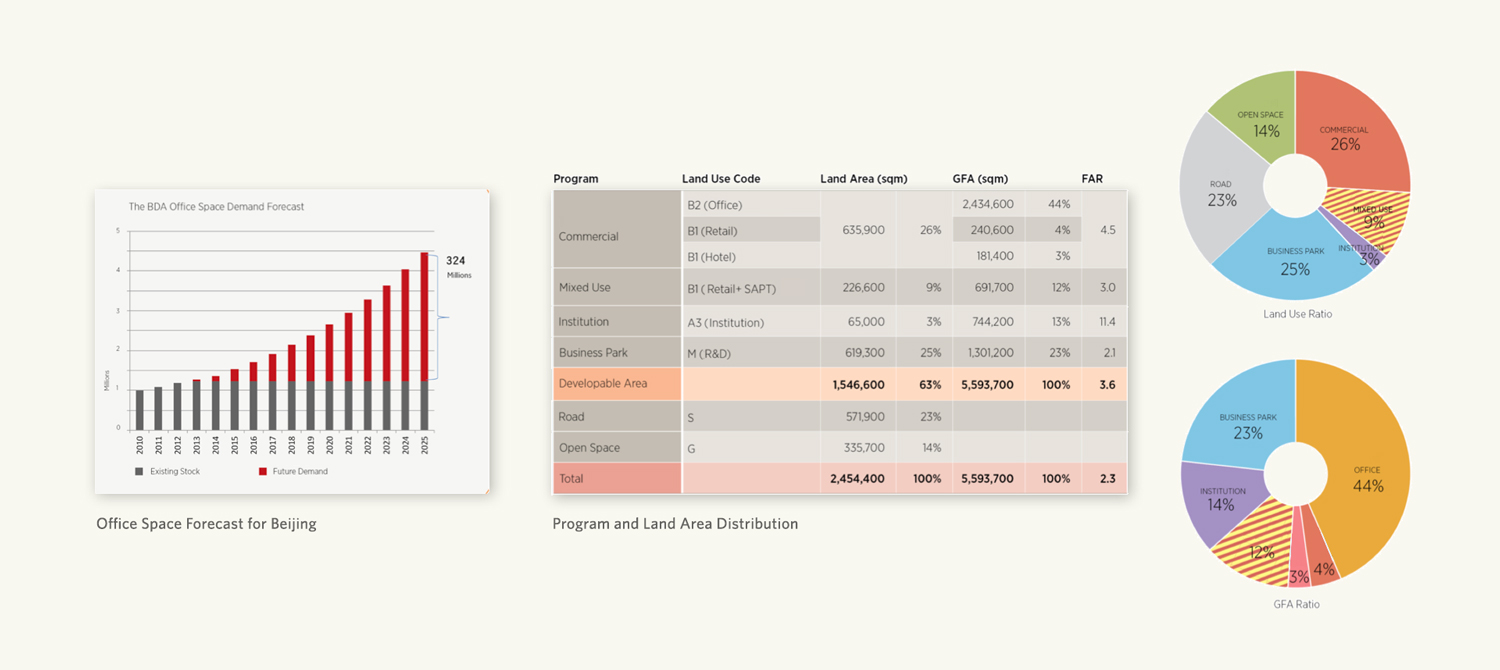
A preliminary analysis of market demand for office space in 2030 informed the distribution of building uses across the development area. Determining the right balance of building uses was essential to the viability of the masterplan.
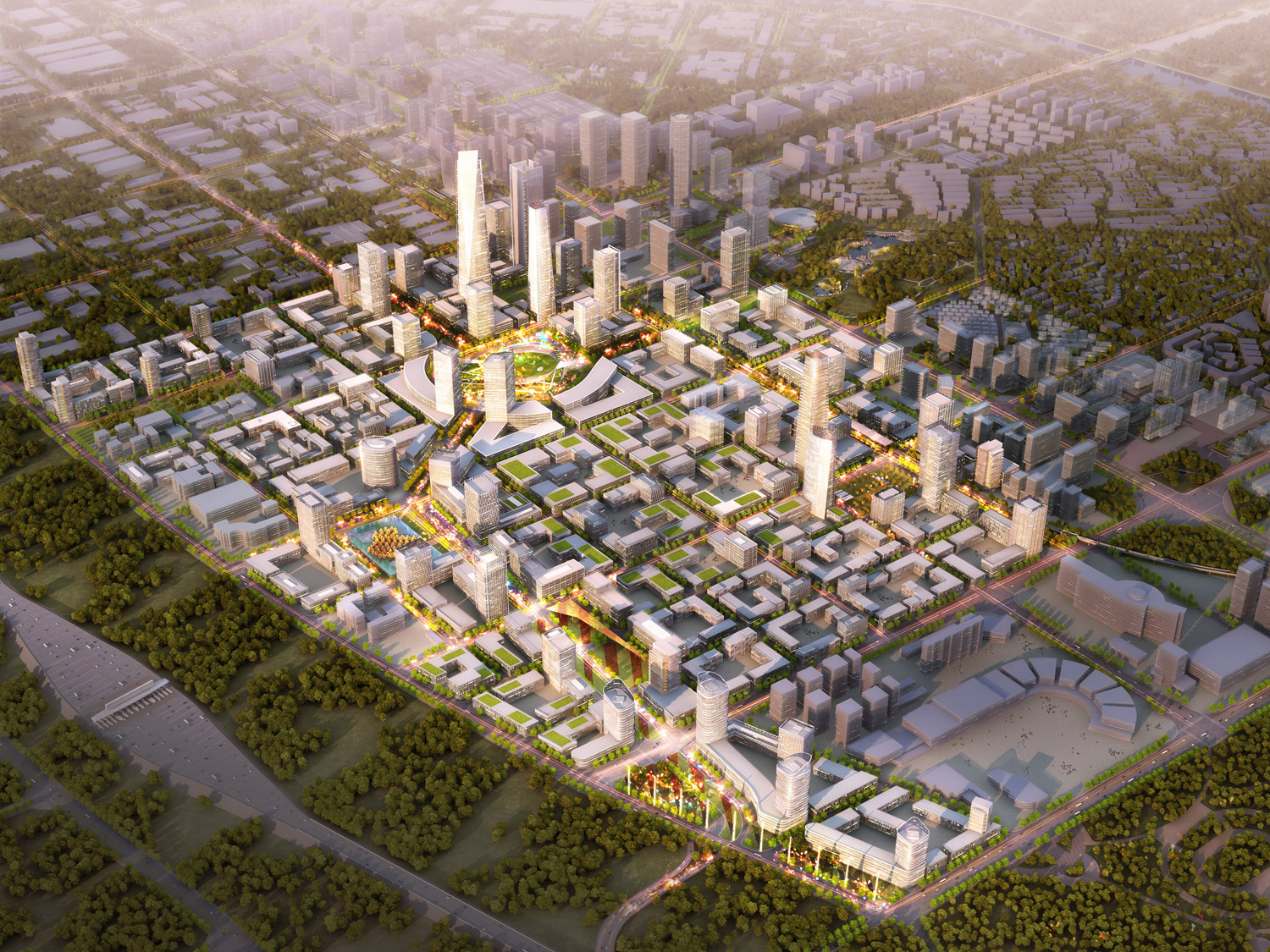
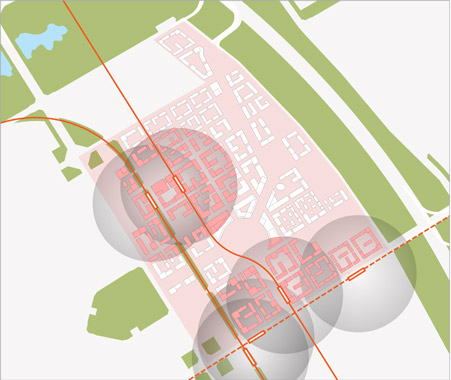
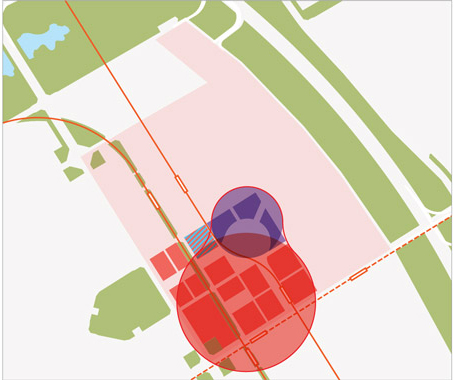
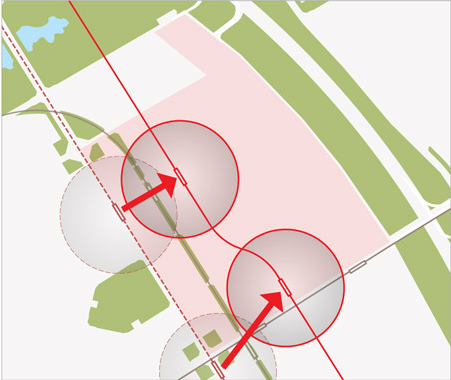
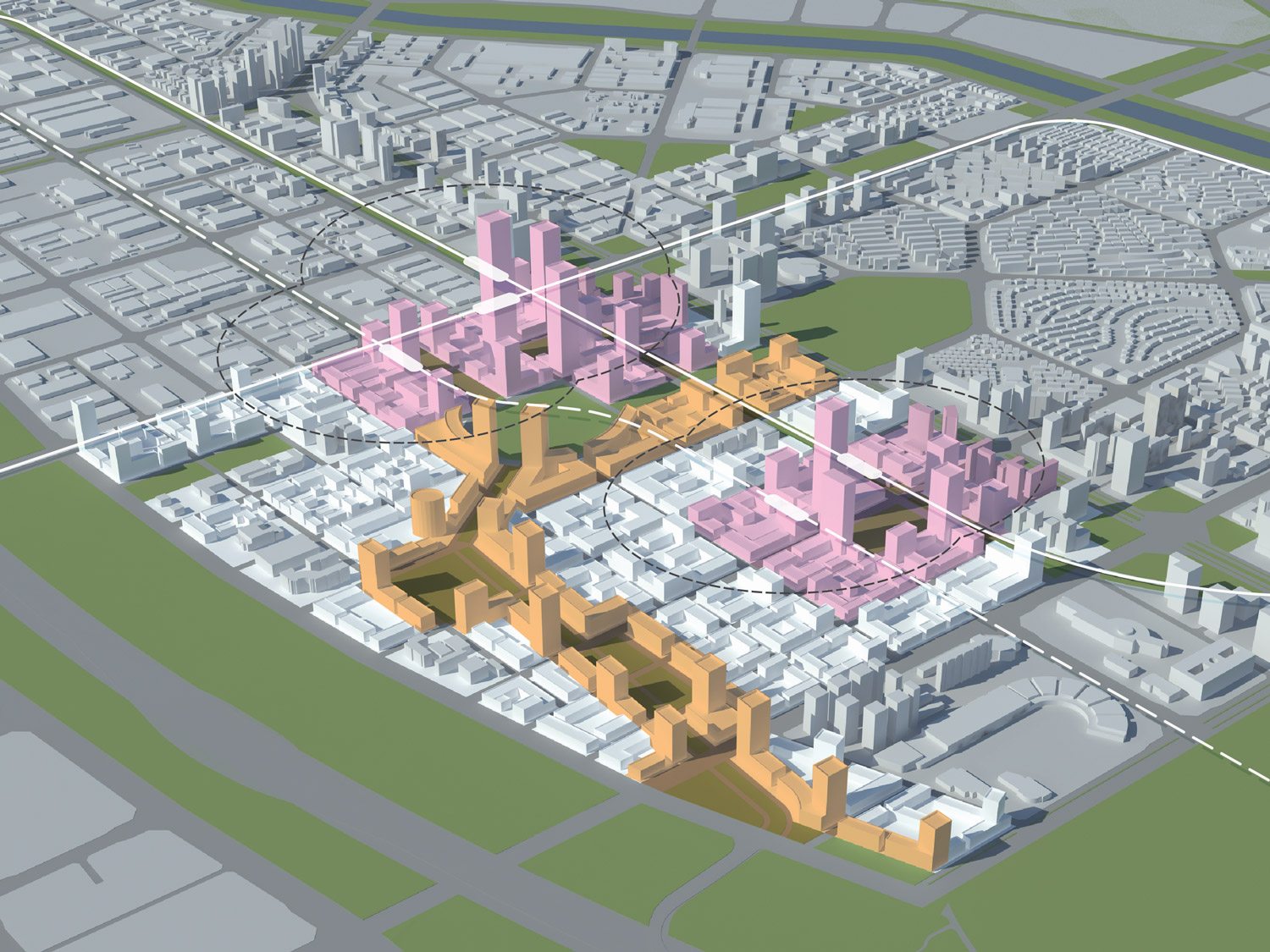
The urban form of the district consists of two transit-oriented development clusters linked together by a green necklace of neighborhood parks. The goal of transit-oriented development is to promote walkability by concentrating building density within short distances of transit stations.
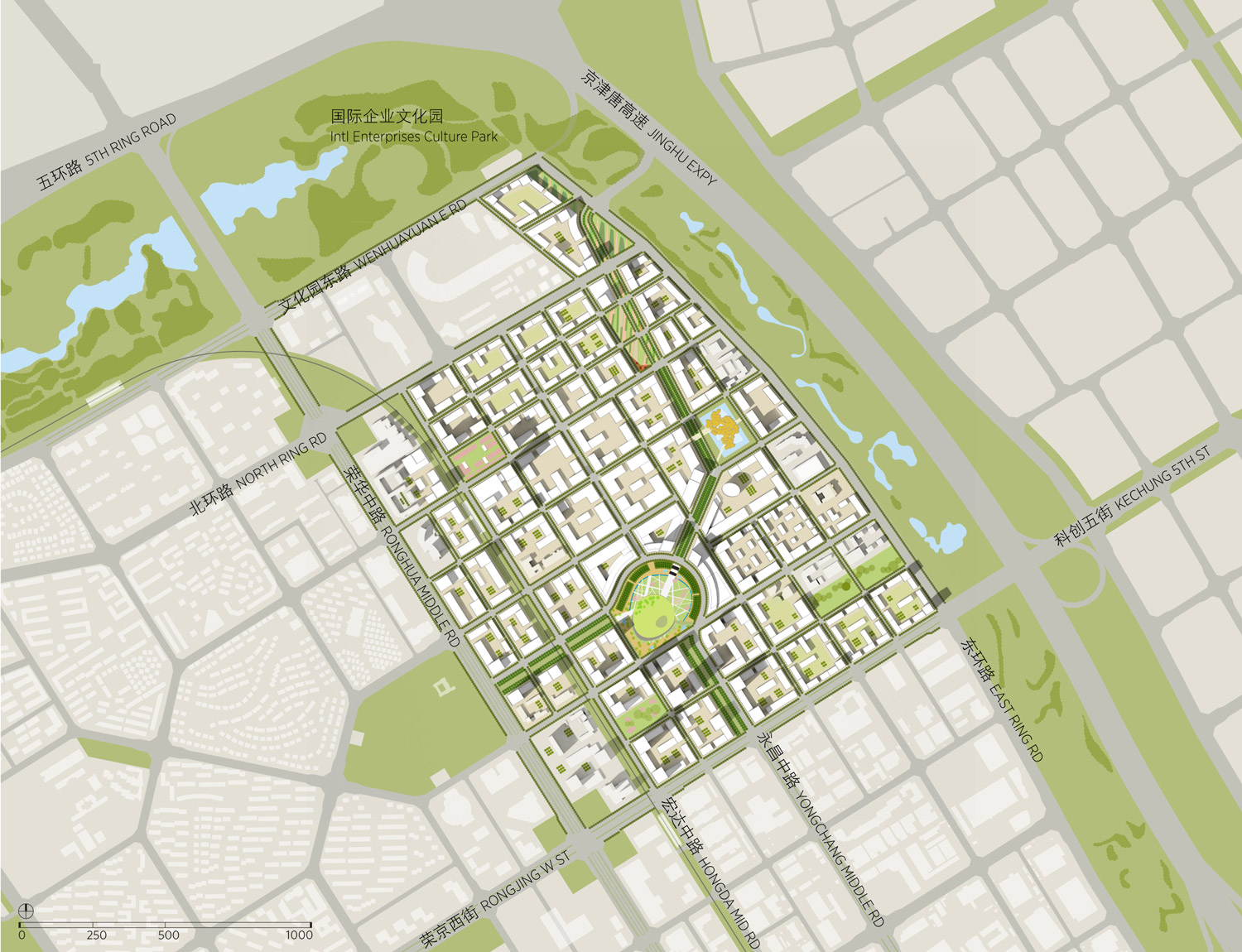
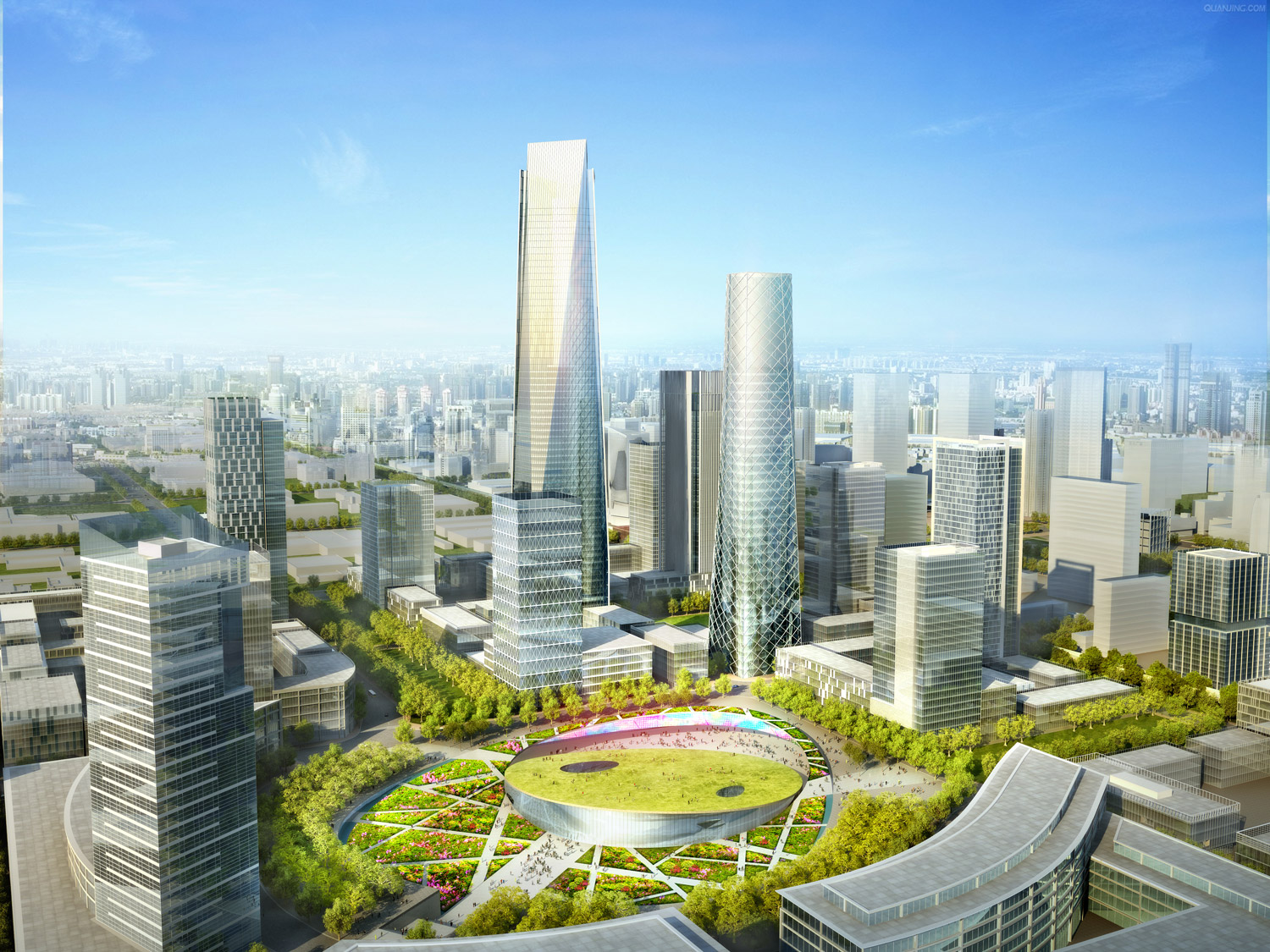
The masterplan for Yizhuang Startup City highlights transit-oriented development, mixed-use neighborhoods, walkable streets, and a prominent boulevard that connects back to central Beijing in the north.
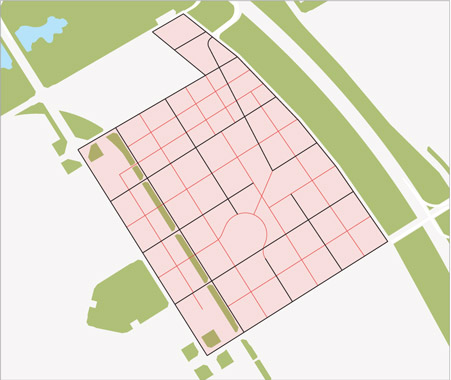
Interconnected street system
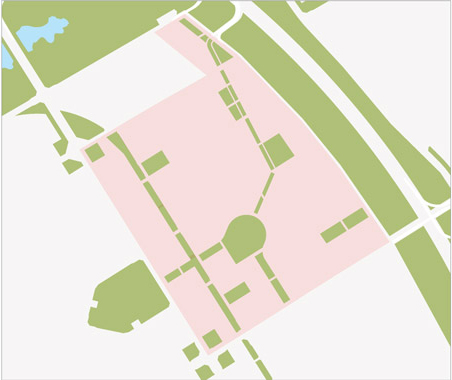
Expanded open space network
Realignment of future transit
Transit-oriented development
R&D and Institution Core Area
Mixed land uses for vibrant workplace
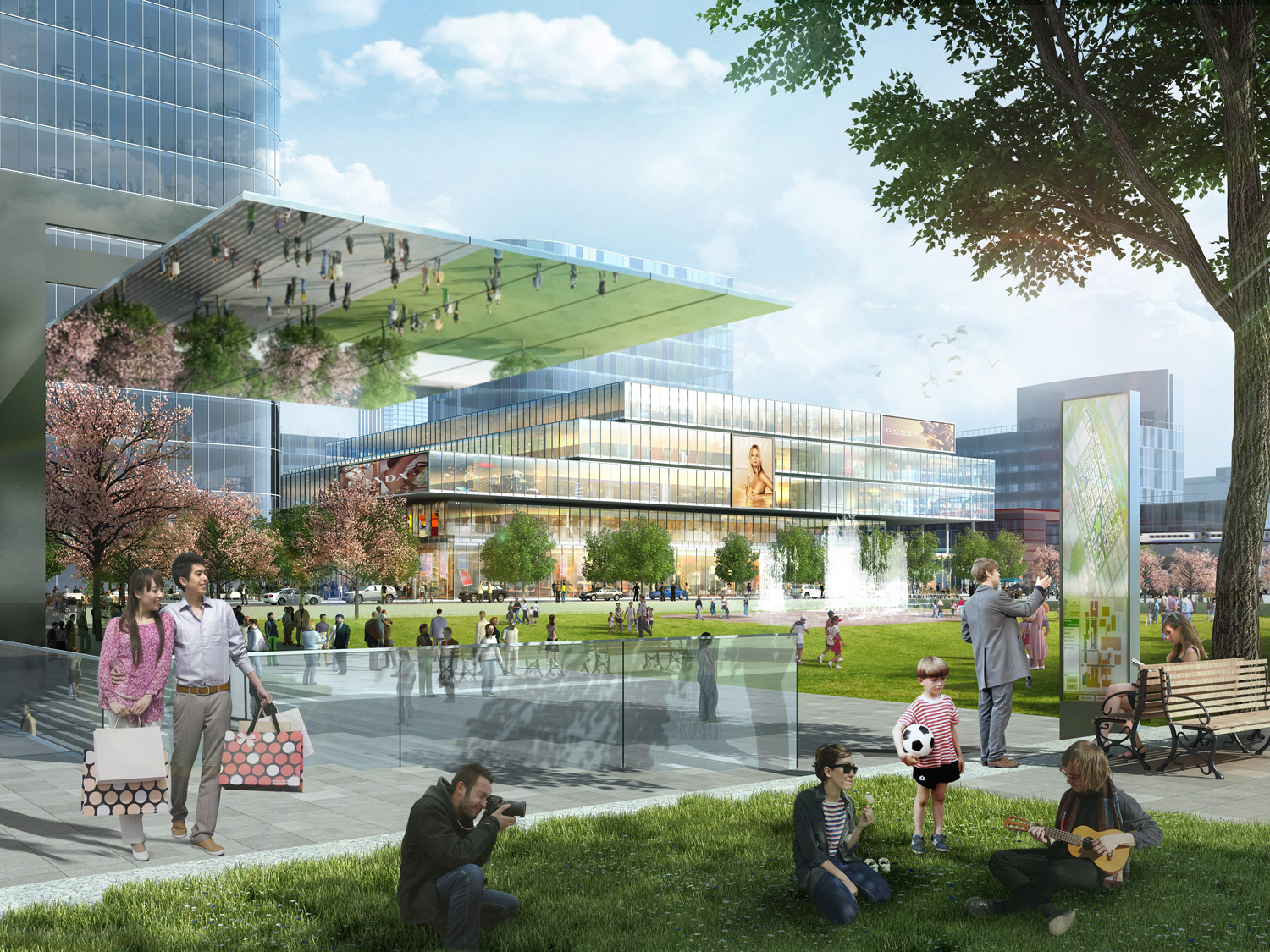
Open space plays an essential role in the function and identity of each neighborhood. Parks and plazas are located at the heart of each neighborhood to promote balance between work and leisure.
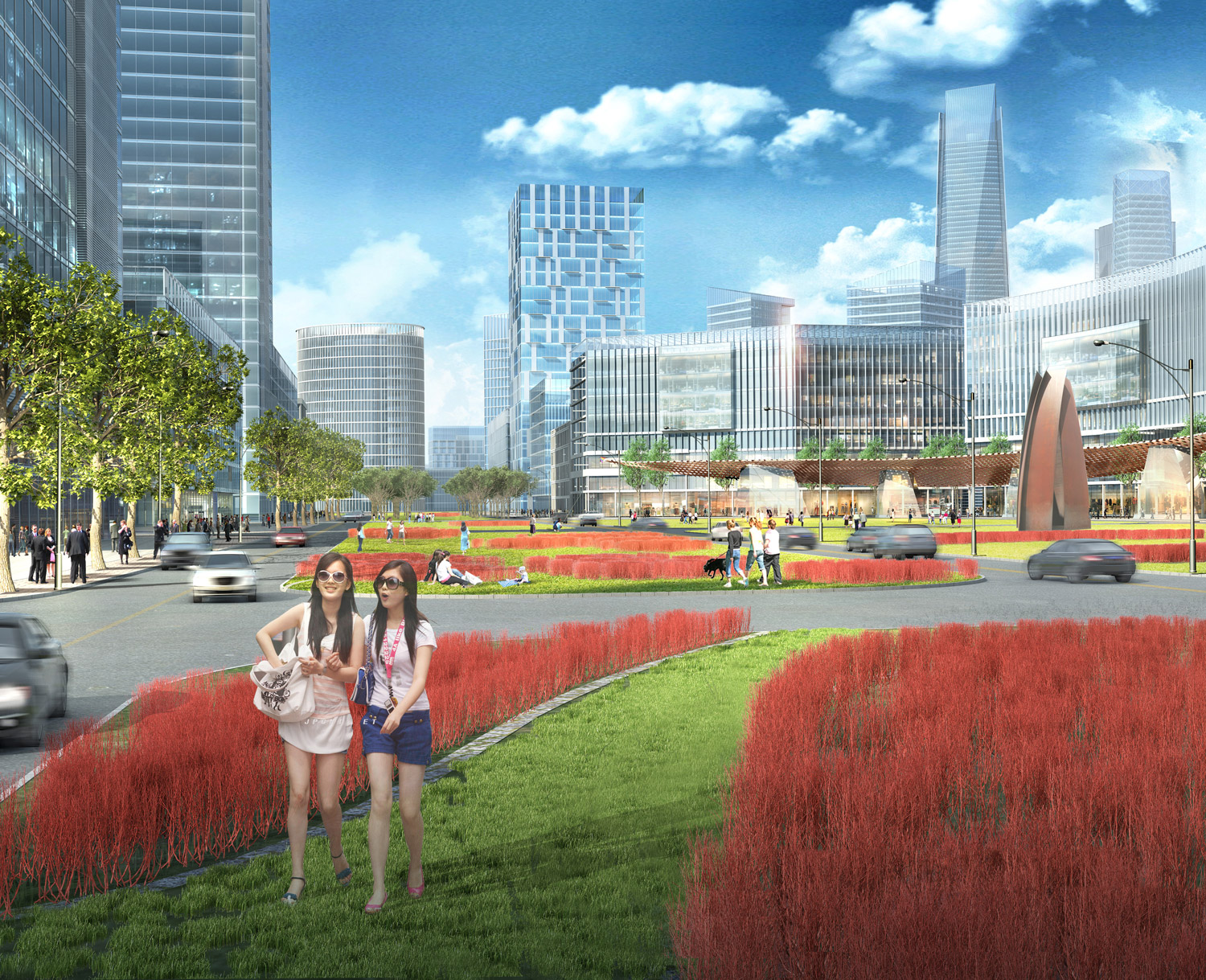
The gateway boulevard defines a sense of arrival for commuters from the north. Lined with prominent office buildings, the gateway boulevard is a promenade of public parks that lead people into the core business area.
The masterplan challenges the widespread adoption of car-dominant, single-use districts across China. By prioritizing transit-oriented development, mixed-uses, and connected public spaces, the masterplan was phrased by the client as a model that will set an example for future expansion around the area.